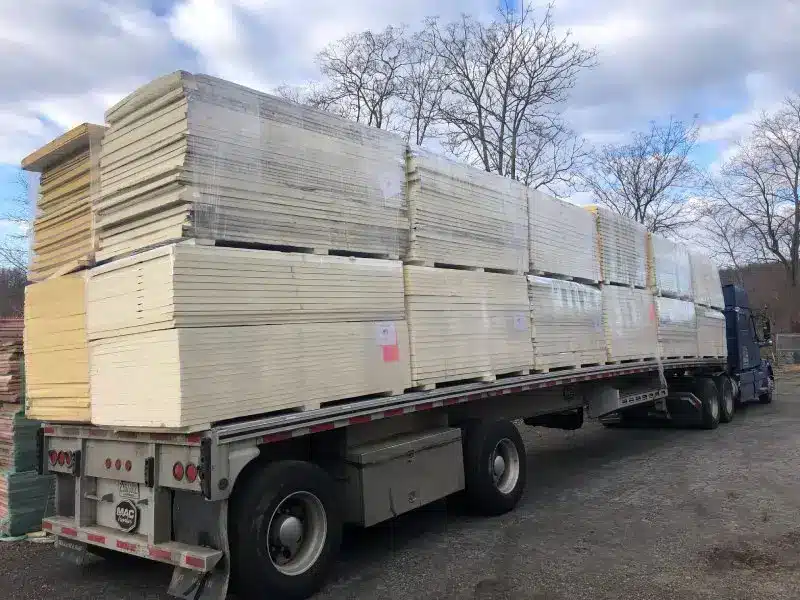
For sustainable and cost-effective building solutions, consider Green Insulation. As a leading distributor of quality reclaimed XPS, EPS, and Polyiso rigid foam panels, we are proudly based in Worcester, Massachusetts, and serve the entire New England region. Discover our inventory and see how reclaimed insulation can benefit your next project.
Unlock Year-Round Comfort in Your Workspace
For many homeowners, the garage or workshop is a space of immense potential, but one that’s often unusable for much of the year. It can be a sweltering oven in the summer and a frigid icebox in the winter, making it impossible to work on projects comfortably. This guide will show you how to transform that space into a functional, comfortable workshop year-round, all without breaking the bank. The hero of this project is reclaimed Polyisocyanurate (Polyiso) insulation—a high-performance, budget-friendly solution perfect for upgrading your garage.
Why Insulate Your Garage or Workshop? The Core Benefits
The most immediate benefit of insulating your garage is achieving year-round comfort, finally making the space usable no matter the season. But the advantages don’t stop there. By creating a more stable temperature environment, you also protect your valuable tools from the moisture fluctuations that cause rust, shield vehicles from damaging temperature extremes, and preserve any other items you have stored. If you use a space heater or air conditioner, even intermittently, a properly insulated garage will dramatically reduce your energy costs. As an added bonus, you’ll also notice a welcome reduction in noise from the outside.
Material Showdown: Reclaimed Polyiso vs. XPS & EPS for Garages
When choosing rigid foam, you have options. Let’s compare how reclaimed Polyiso stacks up against XPS and EPS for this specific application.Polyiso stands out as the R-value champion, offering the highest thermal resistance per inch of any common rigid foam, typically around R-6.5. For a garage or workshop, where interior space is often at a premium, this is a significant advantage. It means you can achieve a high level of insulation without building thick walls that eat into your valuable workspace.When it comes to moisture, XPS and EPS are known for their excellent resistance to water, making them top choices for foundations and other below-grade applications. Polyiso panels have a foil facing that effectively resists moisture vapor, but the foam core itself is less resistant to bulk water than XPS. However, for standard, above-grade garage walls that are properly constructed and sealed from the weather, Polyiso’s moisture resistance is more than adequate. In this context, its superior R-value becomes the more compelling advantage.Finally, while all reclaimed foam options offer significant savings, choosing reclaimed Polyiso allows you to get premium thermal performance for a price that is competitive with other reclaimed materials, offering the best overall value for your project.
Planning Your DIY Garage Insulation Project
Before you begin, a little planning goes a long way. You’ll want to gather all your tools and materials first. This includes your reclaimed Polyiso panels, a measuring tape, a straight edge, a utility knife or foam saw, and foam-compatible adhesive or mechanical fasteners like cap nails. You will also need foil seam tape for the joints, expanding foam sealant for gaps, and essential safety gear like gloves, glasses, and a mask. Most importantly, you must have a code-compliant fire barrier, such as 1/2-inch drywall, ready for the final step.Once you have your materials, take some time to prep your workspace. Clean out the wall cavities, removing any dust, debris, or obstructions. It’s also a great time to do a quick inspection for any air leaks around windows or sill plates, or any signs of moisture that should be addressed before you install the insulation.
Step-by-Step Installation Guide
With your space prepped, you can begin the installation. Start by measuring the height and width of your stud cavities. Cut the Polyiso panels for a snug fit; aiming for about 1/4 inch smaller than the cavity is a good rule of thumb to allow for a tight seal without bowing the panel.Next, place the cut panels between the wall studs. You can secure them by applying foam-compatible adhesive to the back of the panel against the exterior sheathing, or simply by friction-fitting them if they are cut precisely.The most crucial part of the installation process is to air seal everything. This step ensures you get the maximum performance from your insulation. Use foil seam tape to seal all the joints where the Polyiso panels meet the wood framing members. Then, use expanding canned foam to carefully seal the gap between the foam panel and the wood stud on all four sides of each cavity. This creates a continuous air barrier, stopping drafts in their tracks.
Fire Safety & Building Code Compliance
This final step is not optional—it is an absolute requirement for safety and legality. Rigid foam insulation is a combustible material and cannot be left exposed on the interior of a garage, workshop, or any other part of your home.Building codes mandate that the foam must be covered by an approved thermal or fire barrier, which is a material designed to resist fire for a specific amount of time, giving you precious time to escape in an emergency. The most common and widely accepted solution for a garage is to install 1/2-inch drywall directly over the studs and insulation. While other materials like thicker, fire-rated Type X drywall exist, standard half-inch drywall is typically all that is required. Always confirm with your local building codes, but be prepared to cover the foam.
Enjoy Your New & Improved Workspace
With the insulation installed and the fire barrier in place, you’re finished. You have successfully created a comfortable, energy-efficient, and functional workspace that you can enjoy all year long. By using cost-effective reclaimed Polyiso and following proper safety procedures, you have made a significant, high-value upgrade to your home that will pay dividends for years to come.
Ready to transform your garage or workshop?
Explore our inventory of high-performance reclaimed Polyiso panels and get the best value for your project. The team at Green Insulation is here to help you build a more comfortable and efficient space.
Green Insulation Group offers factory surplus, and seconds. These insulation panels are brand new and would otherwise be headed to a landfill. We offer these products at substantial savings.